

.svg)








On your third video call of the day, your direct report says, “Sorry, can you repeat the question? I’ve got three chats going right now.” You’re juggling Slack, standups, and “quick” check‑ins, but still not getting honest updates or real conversations. Meanwhile, engagement studies show that only about a third of employees feel truly engaged at work, and remote workers often report feeling watched rather than supported when managers lean on constant pings and status checks.
In that kind of environment, it’s easy to slide into helicopter management without meaning to. This is where a simple, our well‑designed one‑on‑one meeting template can help you. Whether you’re improving how you already run 1:1s or you’re new to managing people, this guide and the free 1:1 meeting template will help you have conversations that are easy to run, productive, and truly useful for your team.
Why you need a one‑on‑one meeting template
One‑on‑ones are one of the most effective tools managers have to build trust, catch issues early, and support growth—especially when most collaboration happens through screens. A simple, shared template keeps these meetings focused and productive, rather than turning into vague chats or rushed status updates.
Research on modern performance management shows that regular, structured check‑ins help employees feel heard, clarify expectations, and connect their work to bigger goals. For younger and remote employees, who may have fewer informal touchpoints, this dedicated space is often where real coaching and development actually happen.
.avif)
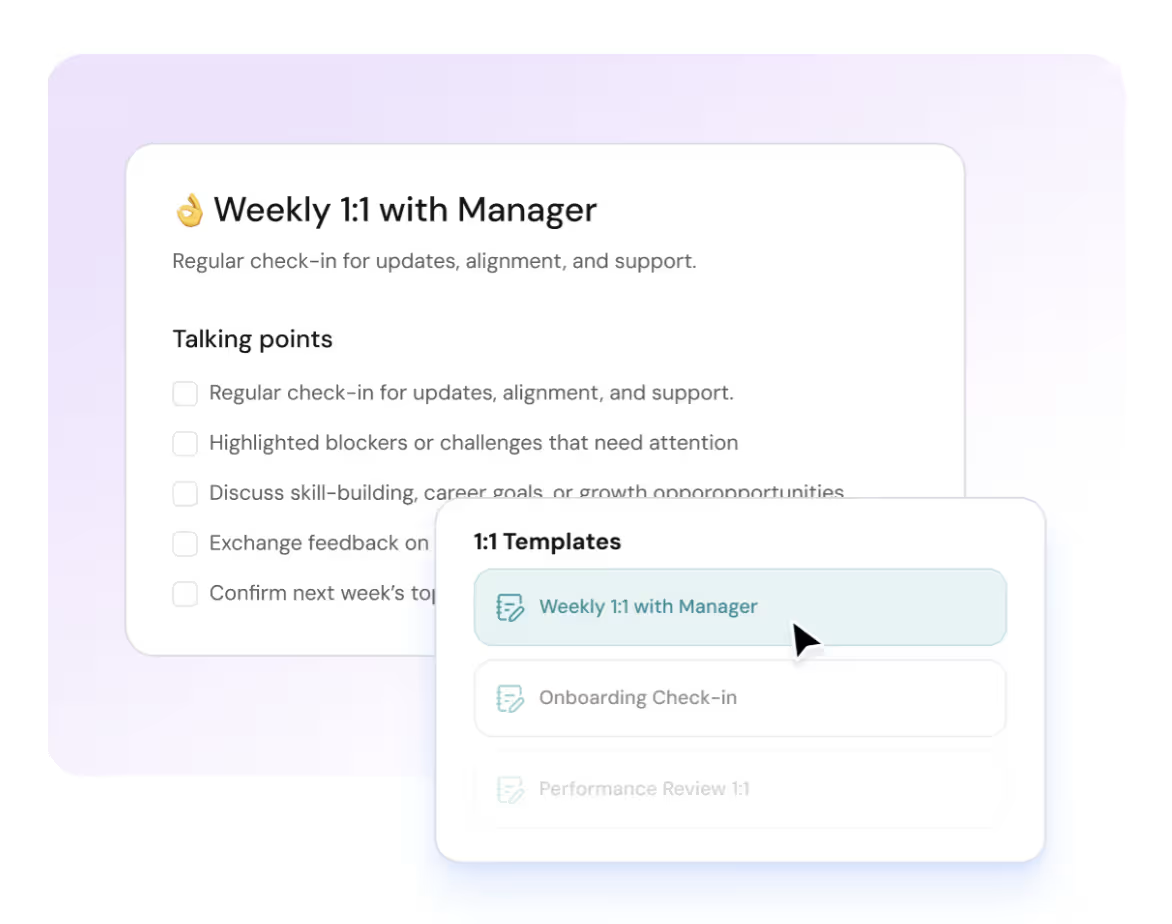
Benefits of using a 1:1 template
A clear one‑on‑one meeting template makes life easier for both managers and employees. It turns every 1:1 into a repeatable process instead of something you have to reinvent each week.
Key benefits include:
- Consistency: Using the same basic structure means you don’t skip important topics like wellbeing, priorities, or career growth.
- Preparation: Shared sections prompt both people to add notes and questions in advance, so the meeting time is spent on decisions and support, not trying to remember what happened.
- Focus: A time‑boxed agenda keeps the conversation on track and reduces the temptation to drift into long status updates.
- Actionability: Built‑in space for notes and action items makes it easier to follow through and track progress across weeks.
How often should you have 1:1 meetings?
There’s no single perfect answer, but patterns are emerging. Many organizations now default to weekly or bi‑weekly one‑on‑ones between managers and direct reports. A 2021 productivity report found that about 40% of recurring 1:1s are scheduled weekly, with most others set for every two weeks or monthly.
Weekly check‑ins work particularly well for remote teams, new hires, and people in fast‑moving roles, because they keep alignment and feedback close to the work. For more senior or independent roles, a bi‑weekly cadence can be enough, as long as it’s reliable and not frequently canceled or pushed back.
Whatever rhythm you choose, consistency matters more than frequency; constantly canceling or rescheduling 1:1s sends a clear signal that the meeting and the person aren’t a priority.
Best questions to ask in your first 1:1 meeting with an employee
- What are you enjoying most about working here and about your specific role?
- What’s going well and what isn’t?
- If you could change one thing about the company or your role, what would it be?
- What are your expectations of me as your manager?
- What are your professional ambitions? Where do you see yourself in the next few years?
- What should I know about how you like to work so we can collaborate effectively?
- Anything surprise you during your first week or so here?
- What’s confusing or unclear, or where could you use more context?
- What can I do in the next two weeks to make your onboarding smoother?
- How would you describe your ideal working environment?
- Do you have any work‑related pet peeves or things you’re particularly sensitive to?
Step‑by‑step guide to running effective one‑on‑ones
1. Prepare in advance
Good one‑on‑ones start before anyone joins the call. Take a few minutes to review the last meeting’s notes, check progress on action items, and decide on one or two topics you want to explore more deeply. Share the agenda at least a day in advance and invite your report to add their own topics, questions, and updates.
Employees can use the same template to reflect on recent wins, blockers, and decisions where they need a second opinion. This shared preparation turns the 1:1 from a manager‑led update into a joint working session.
2. Start with a check‑in
Begin with a short check‑in about how they’re doing—not just what they’re doing. Simple questions like “How are you feeling about work this week?” or “What’s one thing that’s going well and one thing that’s hard?” help surface issues early. A quick shout‑out for a recent win sets a positive tone and reminds people that their effort and progress are seen.
3. Review action items and progress
Use the template’s “Last time” section to revisit action items from your previous meeting. Go through what’s done, what’s in progress, and what hasn’t moved. Instead of jumping straight to “why isn’t this finished?”, focus on what helped or hindered progress and what support is needed.
4. Discuss workload, priorities, and challenges
This is where a structured 1:1 helps you avoid helicopter behavior. Rather than constant “What’s the status?” messages, you have a dedicated time to talk through:
- Current workload: “On a scale of 1–10, how sustainable does your workload feel right now?”
- Top priorities: “What are your top three priorities before our next 1:1?”
- Blockers: “What’s getting in your way, and what would help unblock it?”
Use this part of the agenda to realign on what truly matters and consciously drop or delay lower‑value work where needed. That shift—from monitoring tasks to co‑prioritizing—directly reduces the need to hover during the week.
5. Provide feedback and recognition
Make space for both recognition and constructive feedback. Call out specific things the person did well, then offer one or two clear pieces of feedback tied to behaviors and outcomes, not personality. Invite upward feedback with prompts like “Is there anything I could do differently to support you?” or “Where do you need more clarity from me?”
Healthy one‑on‑ones are two‑way: the employee does most of the talking while the manager listens, asks follow‑up questions, and clarifies expectations. This balance builds trust and makes it less likely they’ll experience your questions as micromanagement.
6. Explore career growth and development
Don’t let every 1:1 stay stuck in this week’s to‑do list. Use part of the agenda to talk about longer‑term goals: skills they want to build, experiences they’d like to gain, and roles they’re curious about. From there, you can look for concrete next steps such as stretch projects, mentoring, or training resources.
Regular development conversations are one of the clearest signals that you see the person as more than just their current tasks, which makes helicopter‑style oversight feel less necessary on both sides.
7. Agree on next steps and follow up
End each one‑on‑one by summarizing what you’ve decided and turning it into a small set of action items with owners and timelines. Capture these in a simple tracker or table in your shared document. At the start of the next 1:1, open with that list so people see that what you wrote down last time is taken seriously.
Best practices from recent research
Recent articles, reports, and expert guides point to several consistent best practices for high‑quality one‑on‑ones.
- Make it employee‑centric: Treat the 1:1 as your report’s meeting; let them co‑own the agenda and encourage them to speak most of the time.
- Be prepared and present: Come with a clear purpose, turn off distractions, and listen actively instead of multitasking or scanning emails.
- Customize to individual needs: Adjust the cadence and focus based on experience level, role, and current workload, rather than using a rigid one‑size‑fits‑all schedule.
- Track progress and follow through: Use a simple, shared log of topics and actions so that nothing gets lost between meetings.
- Balance short‑term and long‑term: Combine updates on current work with ongoing conversations about wellbeing, growth, and future opportunities.
Done well, regular one‑on‑ones become an antidote to helicopter management: instead of hovering day‑to‑day, you have a reliable, structured space to align, coach, and support your team.
What your one‑on‑one template should include
Drawing on current research and practice, an effective one‑on‑one meeting template typically includes:
- Meeting details: Date, time, participants, and agreed frequency.
- Objectives: A short statement of what this meeting is for (for example, “weekly alignment and coaching”).
- Preparation checklists: Prompts for both manager and employee to fill in wins, blockers, and topics in advance.
- Core agenda sections:
- Check‑in & rapport
- Review of previous action items
- Workload, priorities, and challenges
- Feedback & recognition (both ways)
- Career growth and development
- Next steps and commitments
- Action item tracker: A simple table with task, owner, due date, and status that carries over from meeting to meeting.
- Question bank: Optional prompts in each section to keep conversations varied and employee‑focused over time.
- First‑meeting questions: A small set of “how you like to work” and onboarding questions for new relationships.
Used consistently, this kind of template turns 1:1s from “just another meeting” into the place where alignment, coaching, and trust actually happen—without you needing to hover over every task in between.
How do you get Started with ThriveSparrow 1:1's
If you’ve ever opened a blank doc five minutes before a 1:1 thinking, “What are we even supposed to talk about?”, you’re not alone.
One-on-ones are powerful—but only when they’re consistent, intentional, and easy to run. ThriveSparrow helps you do exactly that. With structured templates, shared agendas, and built-in reminders, it becomes far easier to hold meaningful conversations—without the mental overhead.
Here’s how to set up your first one-on-one using ThriveSparrow’s built-in tools:
1. Start by creating a new 1:1
Once you’re inside the ThriveSparrow platform, navigate to the 1:1s tab in the top navigation. From there, you’ll see a “+ New 1:1” button. This is where it all begins—no clutter, no confusion. Just a simple, intuitive prompt to start the conversation.
The goal here isn’t to schedule another recurring meeting for the sake of it. It’s to open a structured, safe space for clarity, feedback, and growth—especially if you're managing remotely.

2. Choose the teammate you want to meet with
ThriveSparrow makes it easy to find the right person. Start typing a name and select them from the dropdown. Whether it’s someone you meet weekly or someone who’s flown under the radar, this is your chance to reconnect and realign.
This is particularly valuable for teams with varied meeting cadences. Instead of relying on memory or scattered notes, the platform gives you a clean list and a central place to manage all your 1:1s.

3. Sync your calendars—or go manual
Next, you’ll decide how the meeting is scheduled. You can connect your Google Calendar or Outlook Calendar directly from the interface. Prefer to manually schedule it? That’s an option too.
The calendar integration reduces the usual back-and-forth of scheduling. It ensures your 1:1s don’t get buried under a sea of other meetings—and it helps you stick to the cadence you commit to, whether weekly, biweekly, or monthly.

4. Pick (or customize) your agenda
Here’s where the real magic begins.
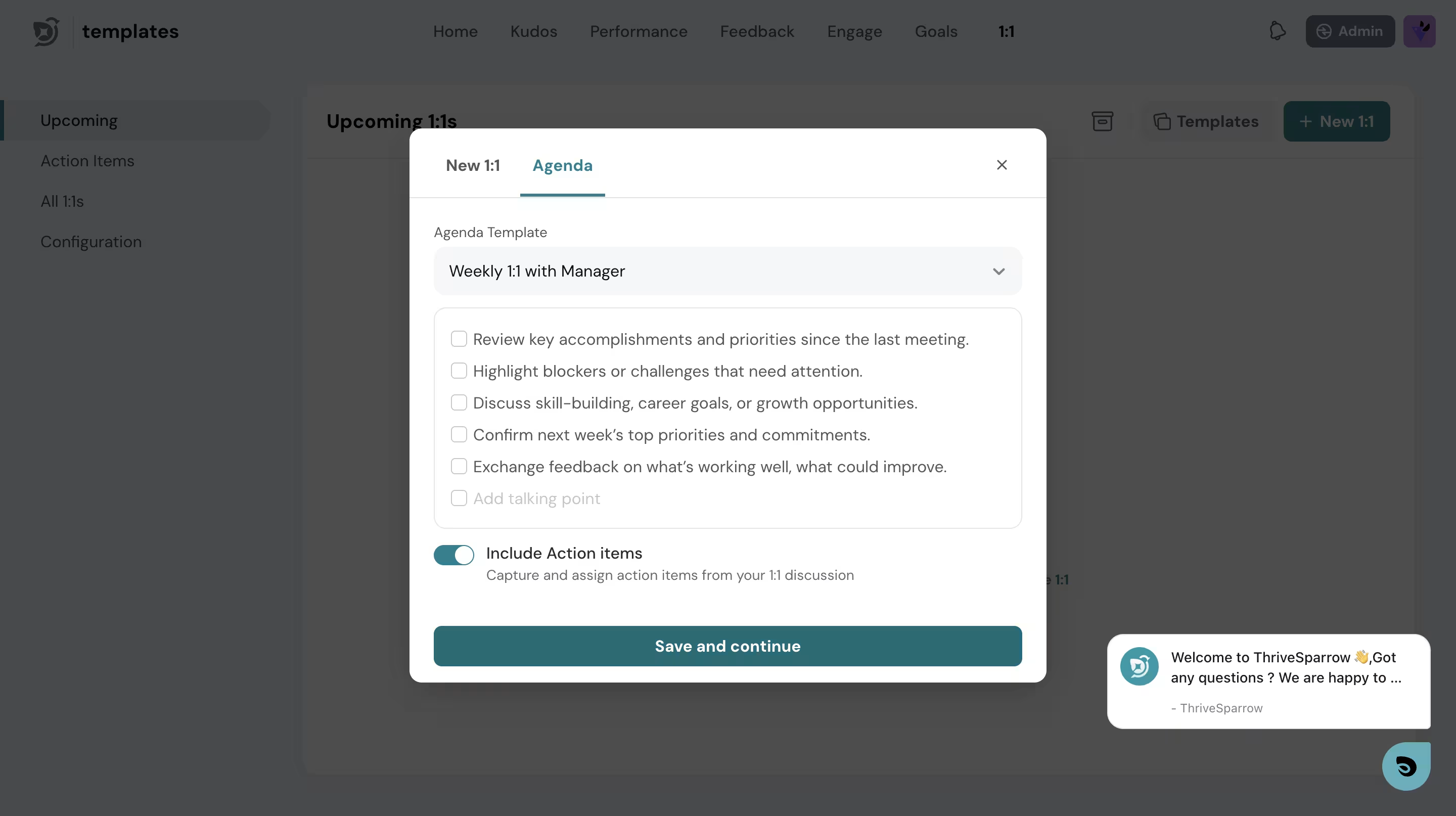
ThriveSparrow offers thoughtfully crafted agenda templates like:
• Weekly 1:1 with Manager
• Onboarding Check-in
• Career Development Conversation
• Performance Review 1:1
These ready-to-go options are based on research and best practices—so you don’t have to build from scratch every time. But if you already have a structure that works well for your team, you’re not locked in.

5. Personalize the talking points
Templates are a starting point, but they’re not a script. ThriveSparrow allows you to tweak the agenda to reflect what really matters right now. Maybe this week is about workload balance, or maybe it’s about growth and recognition—your talking points can adapt to the moment.
And don’t forget the Action Items toggle. Turning this on ensures that any decisions or commitments made in the meeting are actually followed through on.
6. Save, share, and show up
Once the agenda’s set, hit “Save and Continue.” Your 1:1 is now structured and shared. Both you and your direct report can review and add notes before the meeting, so you’re not scrambling for context at the last minute.
This shared space builds accountability—and more importantly, trust. Everyone walks in knowing the purpose of the conversation.
7. Follow through with notes and reminders
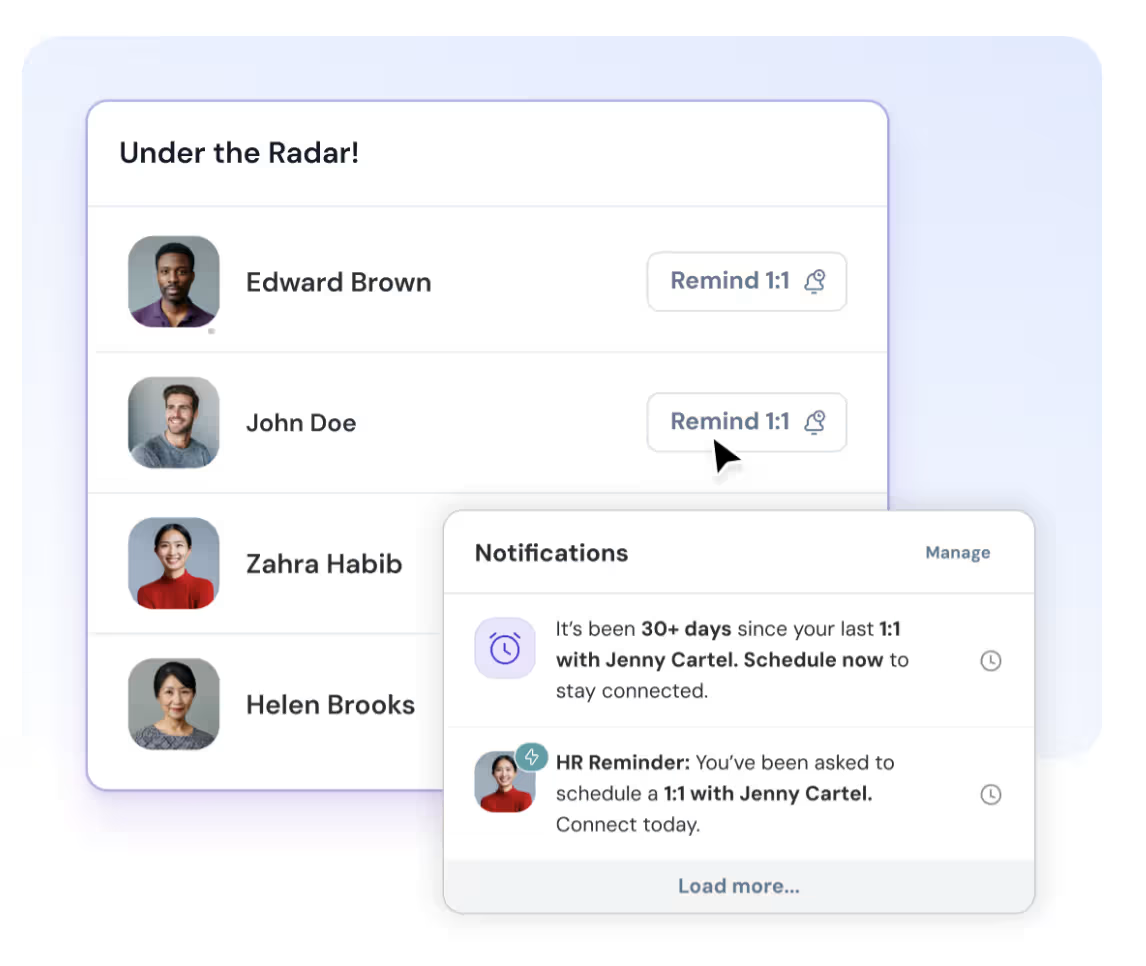
After the meeting, ThriveSparrow helps you track shared notes, check off action items, and get gentle nudges when a 1:1 is overdue. If someone hasn’t had a 1:1 in 30+ days, you’ll know—no spreadsheets or calendar audits needed.
The result? Fewer surprises, fewer status pings, and a lot more clarity about what’s really going on.
If your one-on-ones feel rushed or unclear, this is the right time to fix them. A simple, repeatable template can help you stay on track, give better feedback, and support your team without micromanaging. If you want an easier way to run clear, consistent 1:1s, sign up for ThriveSparrow’s one-on-ones and start using structured agendas that actually work for you and your team.
.svg)


