












One-on-one meetings can be a game-changer for managers aiming to foster a supportive and productive environment. But why do some of these sessions feel more like a missed opportunity than a meaningful dialogue?
The key often lies not in the quantity of the meetings, but in the quality of the interactions.
So, how do we conduct effective one-on-one manager meetings? By asking the right questions. And in this blog, we've compiled 30 essential one-on-one meeting questions for managers to ask their employees.
What are One-on-One Meetings?
One-on-one meetings are recurring check-ins between a manager and an employee — a dedicated space to discuss progress, challenges, and growth.
These conversations go beyond task updates. They’re an opportunity to align on goals, share feedback, and strengthen the relationship between manager and team member. When done well, one-on-ones create the kind of trust and transparency that fuel high performance.
For managers, one-on-ones are a window into how the team is really doing — not just in terms of productivity, but also morale and motivation. They’re a chance to listen, understand, and guide. For employees, it’s a safe space to talk about what’s working, what’s not, and what support they need to succeed.
The best one-on-ones feel like a partnership. Managers use them to coach, recognize wins, and help employees grow in the direction of their goals. Over time, these conversations help managers tailor their leadership style to each person’s needs — creating teams that feel heard, supported, and ready to thrive.
Benefits of One-on-One Manager Meetings
Before we jump into what to ask during a one-on-one, it’s worth understanding why these meetings matter. When done right, they’re not just check-ins — they’re growth engines for people and performance.
1. Better Communication
Regular one-on-ones give managers and employees a structured space to talk openly — about progress, roadblocks, and priorities. These conversations build clarity around goals, expectations, and company direction.
Open communication also helps spot problems early, resolve misunderstandings faster, and prevent friction before it slows down productivity. When employees feel heard and understood, collaboration naturally improves — and trust follows.
2. Personalized Feedback
Every employee learns and grows differently. One-on-ones let managers tailor feedback to each person’s strengths, goals, and style. Constructive feedback helps employees understand how their work contributes to broader company objectives — and gives them confidence to improve.
Recognition also plays a part. Highlighting wins during one-on-ones reinforces positive behaviors and motivates employees to keep growing. Over time, this rhythm of feedback and encouragement fuels a culture of continuous improvement.
3. Targeted Support and Guidance
Sometimes, people don’t need more direction — they just need support. One-on-ones give managers a chance to listen, understand challenges, and offer actionable help.
When employees feel their manager genuinely cares about their success, trust deepens. These meetings also help managers spot skill gaps, stress points, or morale dips early — so they can respond before small issues turn into big ones.
4. Higher Morale and Job Satisfaction
When employees know they can speak freely, share challenges, and get recognition, it boosts morale. One-on-ones create that emotional connection between effort and appreciation.
Acknowledging wins, offering support, or even just checking in regularly shows employees they matter. And when people feel valued, their engagement and satisfaction rise — which ultimately reflects in their performance.
5. Career Development
One-on-ones aren’t just about performance; they’re also about potential. These conversations open the door for career planning — where employees can share their aspirations and managers can align those goals with growth opportunities.
Whether it’s training, mentorship, or stretch projects, career-focused one-on-ones help employees see a future with the company. That sense of direction boosts motivation, retention, and loyalty.
6. Deeper Understanding of Each Employee
No two employees are alike. Through consistent one-on-ones, managers gain a better understanding of each person’s strengths, challenges, and motivators.
That insight allows managers to delegate more effectively, match people with the right projects, and coach them in ways that resonate. It’s a win-win — employees feel seen, and managers can lead with empathy and precision.
7. Builds Trust and Transparency
Trust doesn’t appear overnight — it’s built through consistent, honest conversations. One-on-ones create the safe space where that happens.
When employees know they can speak openly without judgment, communication becomes more transparent. That openness leads to better collaboration, stronger relationships, and a culture rooted in mutual respect.
8. Improves Retention
Employees don’t leave companies; they leave managers who don’t listen. Regular one-on-ones counter that risk by showing genuine care and attention.
When employees feel supported, guided, and heard, they’re more likely to stay — and grow — within the company. These meetings also help managers identify early signs of disengagement, allowing timely action to retain top talent.
9. Boosts Productivity
Clarity drives productivity. When employees know what’s expected, where they stand, and how to improve, they perform better.
One-on-ones help managers clear roadblocks, set priorities, and ensure everyone has the tools they need to succeed. Recognizing progress during these sessions also keeps motivation high and momentum steady.
10. Drives Organizational Success
When one-on-one meetings become part of your culture, they scale impact beyond individuals. Teams collaborate better, communication flows freely, and performance stays aligned with company goals.
30 Essential Questions for Impactful One-on-One Manager Meetings
Let us take a look at the 30 essential questions that managers can ask during one-on-one meetings with their employees to drive impactful discussions and foster growth:
1. Check-In and Well-Being
- How are you feeling about work lately?
- What’s been energizing you recently — and what’s been draining you?
- How’s your current workload? Too much, too little, or just right?
- How do you feel about your work-life balance these days?
- Is there anything outside of work that’s affecting your focus or motivation?
2. Performance and Progress
- What accomplishment are you most proud of this month or quarter?
- What’s going really well in your current projects?
- Are there any challenges or blockers slowing you down?
- How confident do you feel about meeting your goals this cycle?
- What’s one thing that would make your work more efficient or enjoyable?
3. Growth and Development
- What new skills would you like to develop this year?
- Is there a project or area you’d like to take more ownership of?
- Are there any learning or training opportunities you’re interested in?
- What kind of work do you want to be doing more of in the future?
- How can I support your career goals better?
4. Team Collaboration and Communication
- How do you feel about communication within the team?
- Are there any collaboration challenges you’ve noticed lately?
- Do you feel your opinions are heard and considered during discussions?
- Is there anyone you’d like to collaborate with more closely?
- What’s something our team could do to work better together?
5. Feedback and Recognition
- Do you feel recognized for the work you’re doing?
- What kind of recognition feels most meaningful to you?
- How do you prefer to receive feedback — in the moment or during reviews?
- Is there any feedback you’d like to give me or the team?
- What can I do differently to better support your success?
6. Future Goals and Motivation
- What goals are you most excited about in the coming months?
- Where do you see yourself growing next within the team or company?
- What motivates you to do your best work?
- Is there something you’d like to try or experiment with in your role?
- What would make your day-to-day work more rewarding?
The Solution Is In Asking The Right Questions
If you are still worried about the kind of questions you should ask during one-on-one manager meetings, ThriveSparrow can help you. We conduct specialized surveys that help managers understand the mindset and preferences of employees, allowing them to ask questions specific to the employee and their job role in the organization.
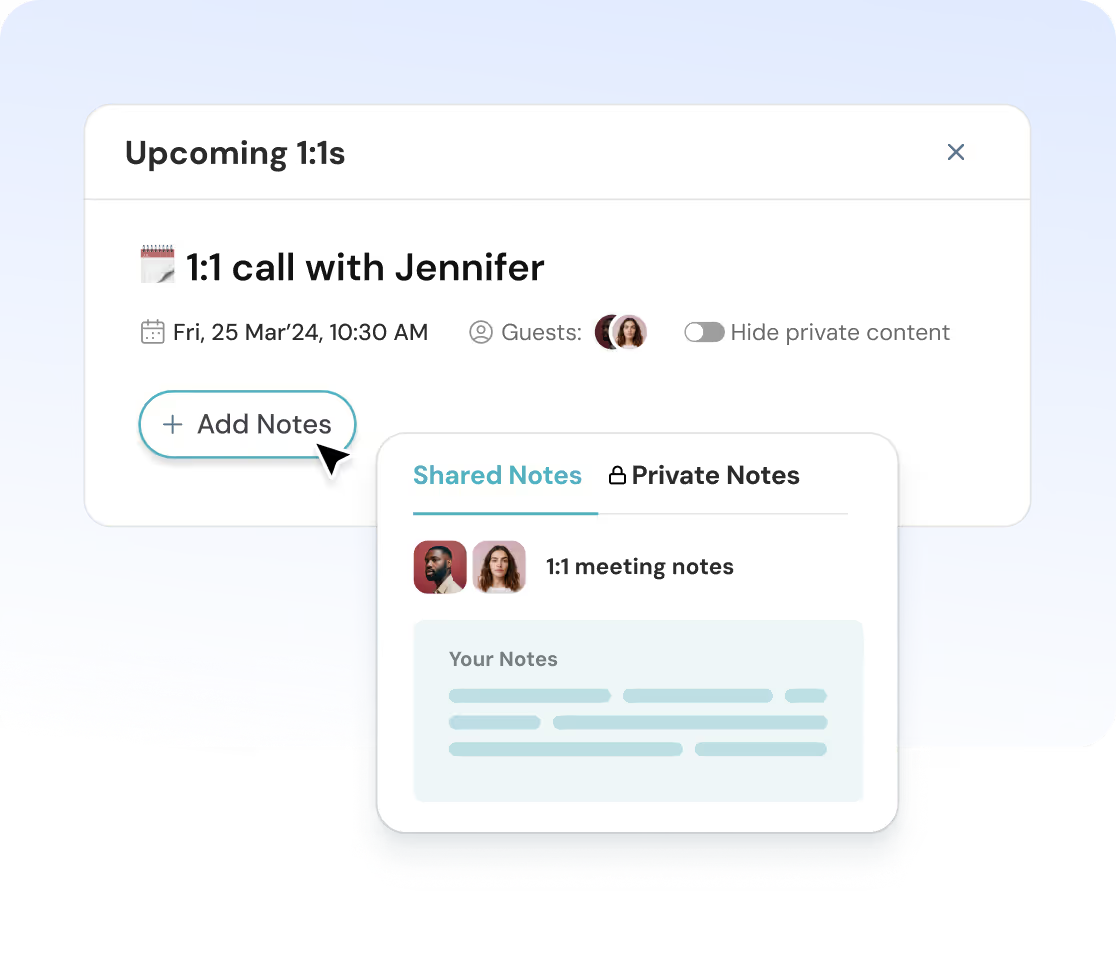
Moreover, you can go equipped for each 1:1. With ThriveSparrow, you can access your team's goals, feedback, and reviews, all at one place.
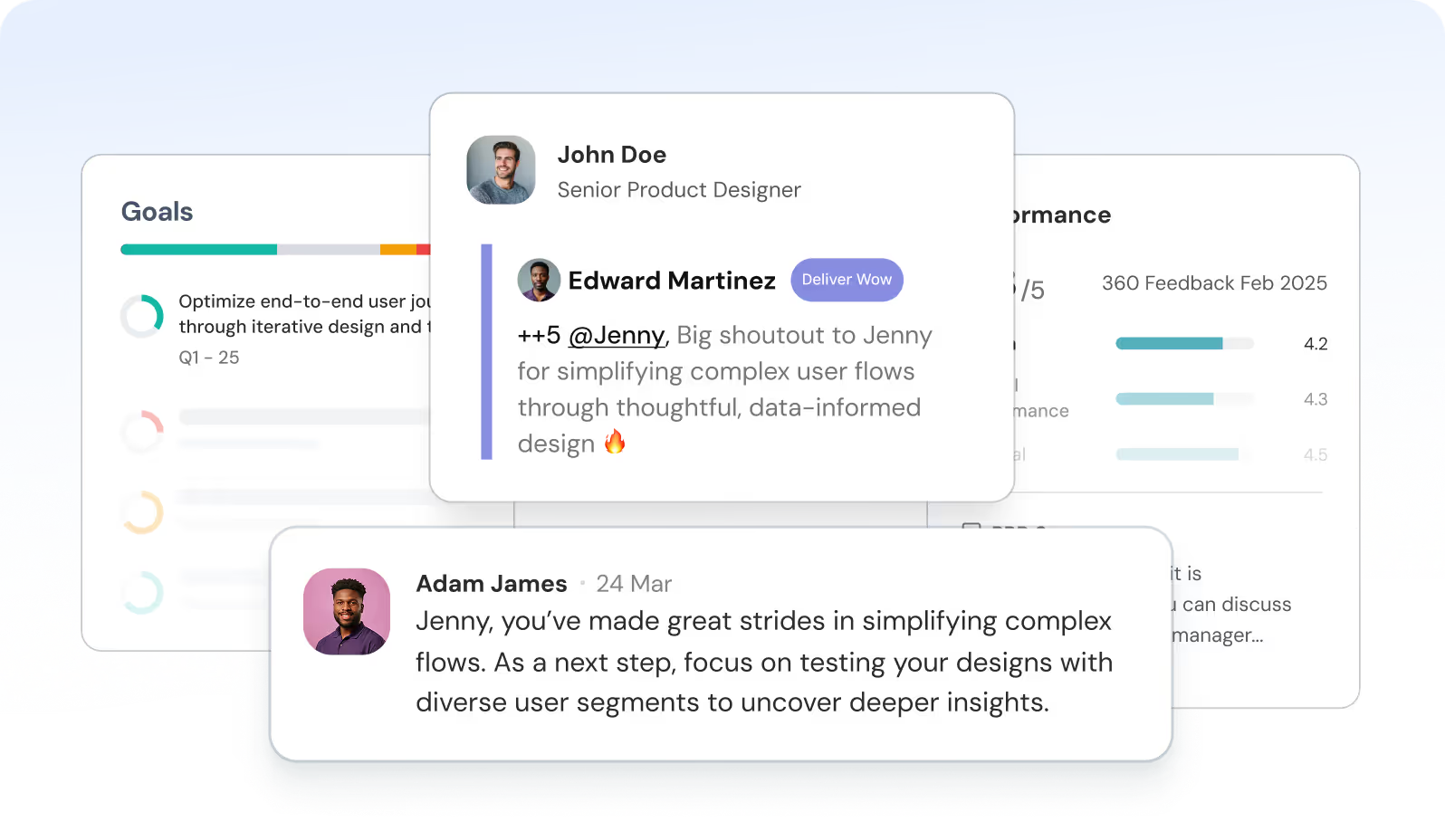
Walk into every one-on-one ready to celebrate wins, clear roadblocks, and drive measurable progress.
.svg)


