












A healthcare employee satisfaction survey is a structured set of questions that measures how satisfied clinicians, nurses and support staff feel about their work environment. These surveys collect feedback on topics such as workload, communication, compensation, development opportunities and benefits. Understanding satisfaction levels is essential for hospitals, clinics and long‑term care facilities because it influences patient experiences and organizational outcomes.
Research shows that employee job satisfaction is directly linked to the quality of patient care; one study noted that satisfaction with the time available to complete tasks had the strongest influence on patient satisfaction. Surveys allow leaders to measure these factors and identify areas for improvement.
This article explains why employee satisfaction surveys matter, provides more than 50+ sample questions across categories and offers guidance on designing, administering and acting on survey results.
What Is a Healthcare Employee Satisfaction Survey?
A healthcare employee satisfaction survey measures the attitudes and perceptions of people working in healthcare settings. It is usually anonymous and can be delivered electronically or on paper. These surveys aim to:
- Gauge job satisfaction – whether staff feel positive about their roles and workload.
- Assess working conditions – such as staffing levels, scheduling and workplace safety.
- Evaluate communication and leadership – how transparent managers are and whether employees feel heard.
- Identify professional development needs – training, mentoring and career progression opportunities.
- Review compensation and benefits – perceptions of pay, benefits and work–life balance.
By asking concise and carefully framed questions, employers capture insights that might not surface in day‑to‑day conversations. Regular surveys also demonstrate that management values feedback and is committed to improvements.
Why Healthcare Employee Satisfaction Matters
- Employee satisfaction in healthcare isn’t just about morale—it directly affects patient care, retention, and daily operations.
- Research shows that when healthcare workers feel supported, patient satisfaction improves as well.
- One insight stands out: employees who have enough time to complete their tasks consistently deliver better quality care.
- When staff aren’t rushed or overwhelmed, patient outcomes improve.
- Turnover makes satisfaction even more critical in healthcare settings.
- Annual turnover rates can reach up to 30%, and most employees leave by choice, not force.
- Replacing a single registered nurse can cost more than US$46,000, placing significant strain on hospital budgets.
- Frequent turnover disrupts continuity of care and contributes to burnout and low morale among remaining staff.
- Employee satisfaction surveys help organizations catch issues early before employees decide to leave.
- Feedback around workload, compensation, flexibility, and burnout enables timely, meaningful improvements.
- When healthcare staff feel heard and valued, they are more likely to stay, creating stable teams, better patient outcomes, and a stronger organizational reputation.
Understanding Hospital Staff and Nurse Satisfaction
Why Nurses’ Voices Are Critical
Nurses represent the largest segment of the healthcare workforce, and their satisfaction is a bellwether for overall organizational health. High nurse turnover leads to staffing shortages, decreased quality of care and increased costs. According to data on healthcare turnover, registered nurse turnover sits at 22.5%, and some specialties see cumulative turnover exceeding 100%. More than 30% of new healthcare hires leave within their first year. Burnout is a major contributor: surveys show that 93% of healthcare workers experienced stress during the pandemic.
Nurse satisfaction surveys are therefore indispensable. They highlight specific issues faced by nursing staff, such as staffing levels, patient ratios, scheduling flexibility, emotional support and career progression. Addressing these issues not only improves nurses’ day‑to‑day experience but also leads to better patient outcomes and less reliance on costly agency staff.
Consequences of Low Staff Satisfaction
Low satisfaction among healthcare employees has ripple effects throughout an organization:
- Decline in patient care quality – High turnover and burnout have been linked to increased medical errors, missed medications and patient falls.
- Financial strain – Recruitment, onboarding and training new staff are expensive, and frequent turnover drives up costs.
- Morale issues – Remaining employees shoulder heavier workloads when colleagues leave; morale declines and burnout increases.
- Reputation impact – Dissatisfied staff may speak negatively about their workplace, damaging the organization’s image.
Benefits of a Staff Satisfaction Survey
Conducting a staff satisfaction survey offers several advantages:
- Early warning system – Surveys reveal issues before they become crises.
- Data‑driven decisions – Leaders can prioritize initiatives based on empirical feedback.
- Continuous improvement – Regular surveys allow organizations to track progress over time.
- Enhanced engagement – Employees feel valued when management solicits and acts on their feedback.
Designing Healthcare Survey Questions: Types and Examples
Core Principles for Question Design
To gather meaningful data, questions should be:
- Clear and concise – Avoid complex wording or jargon.
- Neutral – Prevent leading language that biases responses.
- Balanced – Include a mix of scaled (Likert) questions and open‑ended prompts.
- Relevant – Cover topics that directly influence satisfaction.
- Inclusive – Reflect the experiences of different roles (nurses, physicians, allied health, administrative staff).
Categories of Survey Questions
Below are more than fifty sample survey questions organized by category. They can be combined to create a comprehensive healthcare employee satisfaction survey or customized to focus on specific groups such as nursing staff or benefits.
1. Job and Role Satisfaction
- How satisfied are you with your current role and responsibilities?
- Do you feel your workload is reasonable and manageable?
- How clear are your job expectations and performance goals?
- To what extent do you have the resources needed to perform your duties effectively?
- How satisfied are you with the level of autonomy in your role?
- Do you feel your work contributes meaningfully to patient care?
2. Workplace Environment and Safety
- How satisfied are you with the physical working conditions (cleanliness, equipment quality, supplies)?
- Do you feel the staffing levels are adequate to deliver safe and effective care?
- How safe do you feel at work in terms of infection control and exposure to hazards?
- Are you comfortable reporting safety concerns without fear of retaliation?
- Do you feel that your organization prioritizes your well‑being?
3. Scheduling and Work‑Life Balance
- How satisfied are you with your schedule and shift patterns?
- Do you have enough flexibility to manage personal and family commitments?
- How adequate are rest breaks during your shifts?
- How often do you work overtime or double shifts?
- Does the organization provide support for managing stress and burnout?
4. Leadership and Communication
- How accessible and supportive are your supervisors or managers?
- Do leaders communicate changes and policies clearly and in a timely manner?
- Do you feel comfortable providing feedback to leadership?
- How often does your manager recognize or acknowledge your contributions?
- How effective is inter‑departmental communication?
5. Team Dynamics and Collaboration
- How well do you collaborate with your colleagues and other departments?
- Do you feel respected by your team members?
- How effectively does your team manage conflict?
- Do colleagues support one another during busy periods?
- How satisfied are you with teamwork across different shifts?
6. Professional Development and Career Growth
- How satisfied are you with training opportunities to develop new skills?
- Do you have clear pathways for career advancement?
- Does your employer support continuing education or certification, including opportunities to pursue an accredited MD program.
- How adequate is the mentorship or onboarding program for new staff?
- Are performance evaluations helpful and constructive?
7. Compensation and Benefits (Employee Benefits Survey)
- How satisfied are you with your base salary or hourly rate?
- Do you feel your compensation reflects your level of responsibility and contribution?
- How comprehensive are your health insurance benefits?
- Are you satisfied with retirement or pension plans?
- How valuable are additional benefits such as tuition reimbursement, childcare support or wellness programs?
- If you received a bonus or incentive pay in the past year, were the criteria clear?
- Would you prefer additional benefits over a salary increase?
8. Nurse‑Specific Questions (Nurse Satisfaction Survey)
- How comfortable are you with the nurse‑to‑patient ratio on your unit?
- Do you feel you have enough time to provide high‑quality care to each patient?
- How supportive are physicians and other healthcare professionals when collaborating on patient care?
- Are nurse leaders accessible and responsive to concerns?
- How satisfied are you with nurse scheduling practices (e.g., overtime, on‑call)?
9. Patient Care and Quality
- Do you feel your organization provides the tools to deliver safe and high‑quality care?
- How often do you witness or experience practices that compromise patient safety?
- How effectively does your team share information about patient needs during handovers?
- Do you feel the electronic health record systems support efficient workflows?
10. Employee Engagement and Recognition
- How motivated do you feel to go above and beyond in your work?
- Do you receive recognition when you perform well?
- How satisfied are you with the transparency of promotion decisions?
- How often does leadership celebrate team achievements?
11. Organizational Culture and Values
- How aligned do you feel with the organization’s mission and values?
- Do you feel the organization fosters an inclusive and diverse workplace?
- How transparent is the organization about goals and performance?
- Do you trust senior leadership to make decisions that prioritize staff and patient well‑being?
12. Open‑Ended Questions
- What do you like most about working here?
- What would you change to make this a better place to work?
- Can you describe a recent experience that made you feel valued?
- What additional support would help you deliver better patient care?
These questions form a comprehensive healthcare employee satisfaction survey template. They can be customized or supplemented with demographic questions (e.g., department, years of experience) to analyze patterns across groups.
You can also get started quickly using our Healthcare Employee Survey Template, so you don’t have to build a survey from scratch.
Employee Benefits Survey in Healthcare
Why Benefits Matter
Compensation is a key driver of satisfaction, but benefits often carry equal or greater weight. Surveys have shown that 80% of employees value benefits more than a pay increase. Offering robust benefits improves retention and reduces turnover costs. In healthcare, benefits can include health insurance, mental‑health support, paid leave, tuition reimbursement and flexible scheduling. When employees see tangible investment in their well‑being, they are more likely to stay committed to the organization.
Benefits Survey Questions for Healthcare Employees
To evaluate the adequacy and perception of benefits, organizations can ask targeted questions. Use these examples when designing an employee benefits satisfaction survey:
- How satisfied are you with the overall benefits package (health, dental, vision, retirement)?
- Which benefits do you value most (select top three)?
- Does the current health insurance plan meet your needs?
- How satisfied are you with mental‑health or counseling support offered by the organization?
- Are you aware of all available benefits and how to access them?
- How satisfied are you with the organization’s paid time off and leave policies?
- Are the tuition reimbursement or continuing education benefits useful for your career goals?
- How important is flexible scheduling as a benefit compared to other options?
- Would you recommend any additional benefits to support your well‑being?
Compensation and Benefits Survey Questions
Some surveys specifically assess compensation and benefits together to understand how employees perceive total remuneration:
- How would you rate your total compensation (salary plus benefits) compared to similar roles in other organizations?
- Do you feel that compensation increases are transparent and fair?
- What benefits would you be willing to trade for higher pay, if any?
- How satisfied are you with the organization’s overtime compensation policies?
- Does the organization provide adequate financial wellness resources (retirement planning, debt counseling)?
Health Insurance and Wellness Benefits Questions
Healthcare staff often have unique insights into the quality of health plans. Questions may include:
- Do you feel the health insurance plan covers necessary services and treatments?
- How satisfied are you with the network of providers included in your health plan?
- Have you encountered challenges when filing claims or receiving reimbursements?
- How valuable are wellness programs (e.g., gym memberships, stress‑management classes)?
- Are mental‑health services accessible and affordable through the plan?
Crafting a Healthcare Employee Satisfaction Survey Template
A well‑structured survey template improves participation rates and data quality. Consider the following when building your own template:
- Introduction – Explain the purpose of the survey and assure participants that responses are confidential and anonymous. Provide an estimate of how long it will take to complete.
- Demographics section – Collect non‑identifiable information such as department, job role, years of experience and shift type. These variables help identify patterns in responses.
- Question categories – Organize questions into clear sections (e.g., work environment, leadership, compensation) so respondents can easily navigate the survey.
- Balanced question types – Use Likert‑scale questions (e.g., “strongly agree” to “strongly disagree”) for quantitative analysis and open‑ended questions for qualitative insights.
- Rating scales – Keep scales consistent throughout (e.g., five‑point scale). Provide clear instructions on how to interpret the scale.
- Option to skip – Allow respondents to skip questions that do not apply to them.
- Closing section – Thank participants and inform them how results will be used. Provide contact information for further questions or concerns.
Survey Administration Guidelines
- Anonymity – Guarantee anonymity to ensure honest feedback. Use third‑party tools or anonymous links to decouple responses from identifiers.
- Frequency – Conduct surveys at regular intervals (e.g., annually or semi‑annually). Avoid survey fatigue by spacing them appropriately and focusing on actionable areas.
- Timing – Choose times when workloads are manageable. Avoid major holidays or high‑stress periods.
- Promotion – Encourage participation through internal communications and ensure leadership emphasizes the importance of the survey.
Analyzing Survey Results and Taking Action
Collecting data is only the first step. Turning insights into improvements is where surveys have the greatest impact.
Interpreting Data
- Quantitative analysis – Calculate average scores by category to identify strengths and weaknesses. Compare results across departments, roles or tenure groups.
- Qualitative analysis – Review open‑ended responses for recurring themes. Look for specific suggestions or personal stories that highlight issues.
- Benchmarking – Compare results to previous surveys or industry benchmarks (if available) to measure progress.
Implementing Improvements
- Prioritize issues – Address areas with low satisfaction scores first. Some issues may require immediate changes (e.g., inadequate staffing) while others need longer‑term strategies (e.g., career pathways).
- Engage employees in solutions – Involve staff in brainstorming and problem‑solving. This fosters ownership and ensures solutions are practical.
- Communicate actions – Share survey results with staff, highlighting areas that will be addressed and the timeline for improvements. Transparency builds trust and shows that feedback is taken seriously.
- Monitor progress – Track changes over time. Even small improvements in satisfaction scores can signal that interventions are working.
Leveraging Survey Tools to Improve Retention
Survey tools streamline the process of collecting and analyzing feedback. Many platforms offer features such as anonymity, real‑time dashboards and customizable templates. When selecting a survey tool, consider:
- Ease of use – Both administrators and respondents should find the platform intuitive.
- Security and anonymity – The tool should protect sensitive information and guarantee anonymity.
- Customization – Ability to tailor questions, branding and scales to suit your organization’s needs.
- Reporting – Robust analytics and visualizations help make sense of the data quickly.
ThriveSparrow for Healthcare Surveys
Now that we’ve discussed why surveys are critical and what to include, you might be wondering how to implement them efficiently.
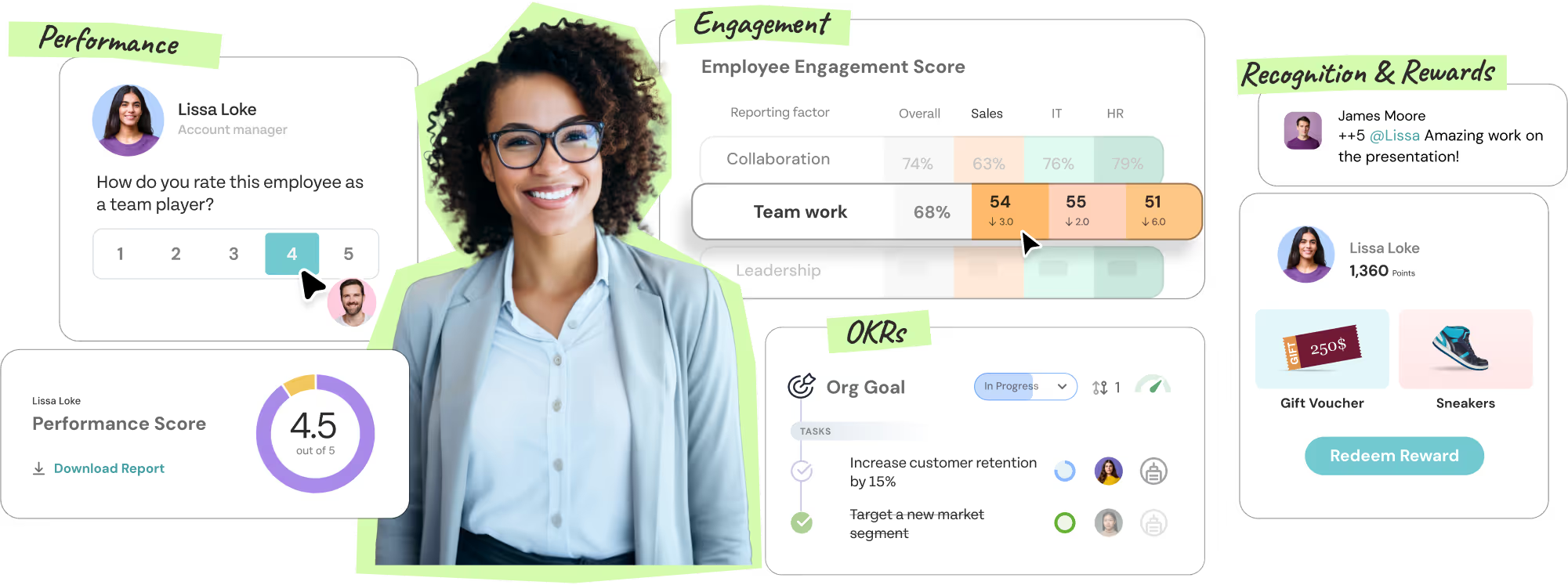
If you’re looking for a user‑friendly platform designed for employee engagement, ThriveSparrow is one option to consider. It offers ready‑made templates tailored to healthcare settings, anonymous response collection and in‑depth reporting.
Features such as real‑time dashboards, sentiment analysis and action‑planning workflows make it easier to turn survey results into improvements. While other tools exist, ThriveSparrow’s focus on healthcare organizations and its support for customizing nurse and benefits surveys can simplify the process of boosting retention. You can explore it or similar platforms to see how they fit your organization’s needs.
Start your 14-day free trial. No credit card required.
.svg)
Final Thoughts
Healthcare employee satisfaction surveys are powerful tools for understanding staff experiences and driving improvements that benefit both employees and patients. High turnover rates and burnout emphasize the urgency of listening to healthcare workers and acting on their feedback. By crafting thoughtful survey questions, analyzing results and implementing targeted actions, organizations can foster a supportive work environment that enhances retention, morale and patient care. With the sample questions and best practices provided here, you have the resources to start or refine your own surveys. Consider exploring platforms like ThriveSparrow to simplify the process and ensure your surveys lead to meaningful change.
FAQs about Healthcare Employee Survey Questions
1. How often should healthcare organizations conduct employee satisfaction surveys?
Most organizations conduct satisfaction surveys annually or semi‑annually. Frequent surveys can lead to fatigue, but longer gaps make it difficult to track changes. Choose a cadence that balances responsiveness with participant engagement.
2. Should surveys be anonymous?
Yes. Anonymity encourages honest feedback and reduces fear of reprisal. Use platforms that separate responses from identifiers and communicate confidentiality clearly.
3. How many questions should a survey include?
A typical survey ranges from 30 to 60 questions. Too few questions may miss important areas, while too many can discourage participation. Prioritize categories relevant to your goals and allow optional open‑ended questions.
4. What is the difference between an employee satisfaction survey and an employee engagement survey?
Satisfaction surveys measure how content employees are with factors such as pay, workload and leadership. Engagement surveys explore how emotionally invested employees are in their work and the organization’s mission. Satisfaction is a component of engagement but focuses more on immediate job perceptions.
5. How can organizations ensure they act on survey results?
Build accountability by assigning owners to each action item. Share results with staff, create a timeline for improvements and provide regular updates on progress. Involving employees in solution‑design also increases commitment to change.